Facebook has evolved from a messaging and entertainment platform into a thriving platform for creators, entrepreneurs, and influencers to earn real income.
In 2026, Facebook monetization offers multiple ways to generate revenue, from ad placements to brand partnerships. If you’ve ever wondered how to earn money from Facebook or how to monetize your Facebook page successfully, this guide lays out every step, strategy, and tool you need to start earning like a pro.
Facebook Monetization — Key Takeaways
A quick scan before you dive into the full guide.
You can earn money from Facebook through in-stream ads, Reels monetization, Stars, subscriptions, affiliate marketing, and brand partnerships.
To monetize a Facebook page, you must meet eligibility requirements and comply with Meta’s monetization policies.
Engagement rate and audience retention directly impact earnings.
Professional Mode allows creators to monetize personal profiles.
Brand sponsorships often generate higher revenue than platform ads alone.
Consistent, niche-focused content improves monetization success.
Diversifying income streams reduces reliance on one feature.
Can You Really Make Money on Facebook?
Facebook has evolved from a social networking platform into a full-scale creator economy ecosystem. However, earning money requires structure, eligibility, and strategic execution. Understanding how the ecosystem works is the first step toward successful Facebook monetization.
Facebook’s income opportunities fall into four core categories:
1. Platform-Based Income – Revenue generated directly from Facebook tools like in-stream ads, Reels monetization, and Stars.
2. Audience-Based Income – Recurring income from loyal followers through subscriptions and exclusive content.
3. Brand-Based Income – Sponsored posts and paid collaborations with businesses.
4. Product-Based Income – Selling your own products or earning commissions through affiliate marketing.
Most creators mistakenly focus only on ads. In reality, ads are just one layer of a much broader monetization framework. The most successful Facebook earners combine multiple streams instead of relying on a single feature.
One of the biggest misconceptions about how to earn money from Facebook is that simply creating a page qualifies you for payment.
To monetize successfully, you must comply with Facebook Community Standards and monetization policies, meet follower and engagement thresholds, publish original, authentic content, and maintain consistent posting activity
For example, in-stream ads require:
- A minimum follower count (often 10,000)
- 600,000+ total minutes viewed over 60 days
- At least five active video uploads
These numbers may change over time, so creators should regularly check eligibility in the Meta Business Suite.
Another key factor many creators overlook is geographic availability. Not all monetization tools are accessible in every country. Features such as certain ad programs or subscription tools may be limited to specific regions. Even when available, CPM rates vary significantly based on audience location.
For example, audiences in the US, UK, or Canada often generate higher ad revenue, while emerging markets may have lower CPMs but can scale through volume and brand deals. If you operate in a region with limited access, diversification becomes even more important.
How to Monetize My Facebook Page (Step-by-Step)
If you’re serious about learning how to earn money from Facebook, you need a structured system. Monetizing your page is a process that moves from setup → eligibility → activation → optimization. Below is a practical roadmap you can follow to turn your Facebook page into a revenue-generating asset:
1. Create or Optimize Your Facebook Page
Before applying for monetization, your page must look professional and niche-focused.
Here’s what to optimize:
- Clear Niche Positioning: Are you a tech reviewer, fashion brand, motivational speaker, or digital marketer? Define it clearly.
- Professional Branding: Use a high-quality profile photo and cover image.
- SEO-Friendly Page Description: Naturally include keywords related to your niche.
- Consistent Content Theme: Facebook’s algorithm favors clarity. Pages that mix unrelated content struggle to build strong engagement.
2. Meet Facebook Monetization Eligibility
Your page must meet certain thresholds and comply with platform policies to be eligible for monetization
- Common requirements for features like in-stream ads include:
- Minimum follower count (often 10,000 for some tools)
- 600,000+ total minutes viewed in the last 60 days
- At least 5 active videos
Compliance with Facebook Community Standards and monetization policies
You can check your eligibility status inside Meta Business Suite under the Monetization section.
3. Apply for Monetization Tools
Once eligible, you must manually apply for monetization features.
Inside Meta Business Suite:
- Navigate to the Monetization tab.
- Review which tools you qualify for (In-Stream Ads, Stars, Subscriptions, Reels monetization).
- Submit applications where required.
- Provide payout details and identity verification if requested.
4. Enable and Configure Monetization Features
After approval, activation is crucial.
For example:
- Turn on in-stream ads for eligible videos.
- Enable Stars during live streams.
- Set subscription pricing tiers.
- Activate Reels monetization for short-form content.
Customization matters. Adjust ad placement settings, subscription perks, and content formats to maximize revenue potential without harming user experience.
5. Track Performance and Optimize for Growth
Monetization doesn’t end after activation. It’s an ongoing process.
Monitor key metrics such as:
- Engagement rate
- Watch time and audience retention
- CPM and RPM (revenue per thousand views)
- Subscriber growth
- Star contributions during live sessions
Use analytics inside Meta Business Suite to identify which content generates the most revenue, which videos retain viewers the longest, and what posting times increase reach. Then double down on what works.
Top Ways to Earn Money from Facebook
There are multiple income streams available within Facebook’s ecosystem. Facebook offers monetization tools that reward content performance, audience loyalty, brand influence, and product promotion. Successful creators combine various revenue channels to build stable and scalable income.
Below are the most effective ways to monetize your Facebook page or profile in 2026, ranked from platform-based earnings to independent revenue streams you fully control.
1. In-Stream Ads (Video Ad Revenue)
Facebook In-Stream Ads allow eligible creators to earn money by placing ads before, during, or after their videos. This is one of the most recognized forms of Facebook monetization.
When viewers watch your videos, ads are inserted automatically.
You earn based on impressions, CPM (cost per 1,000 views), and overall watch time. It is best for pages with long-form video content (3+ minutes), high audience retention, and consistent video uploads.
Watch time matters more than views alone. A 5-minute video watched to 80% completion will typically outperform a 1-minute video with higher clicks but lower retention.
2. Facebook Reels Monetization (Short-Form Revenue)
Short-form content is dominating in 2026, and Facebook Reels monetization rewards creators for engaging with vertical videos.
Ads are shown within or around your Reels content, and earnings depend on performance and engagement. It is best for entertaining, educational, or viral-style content and creators transitioning from TikTok or Instagram.
Reels are one of the fastest ways to grow reach. While individual payouts may vary, strong Reels performance increases brand visibility, which leads to higher-paying sponsorships.
3. Facebook Stars (Fan-Powered Earnings)
Facebook Stars allow followers to send virtual tips during live streams or eligible video content.
Viewers purchase Stars and send them during live broadcasts. Each Star converts into real earnings for the creator.
It is best for live streamers, coaches, gamers, educators, and interactive creators with loyal audiences. Stars create direct audience-based income. You’re not relying on advertisers; you’re earning from fan support.
4. Subscriptions (Recurring Monthly Income)
Subscriptions allow followers to pay a monthly fee in exchange for exclusive content and perks.
Subscription benefits include:
- Exclusive posts
- Private live sessions
- Subscriber-only badges
- Behind-the-scenes content
It is best for personal brands and creators with strong community members. Subscription income is predictable. Even 500 subscribers paying a small monthly fee can generate steady recurring revenue.
5. Brand Sponsorships (High-Ticket Collaborations)
Brand sponsorships often outperform ad-based income. Companies pay you to promote their product or service through sponsored posts, dedicated videos, product reviews, and campaign collaborations.
Brands care about engagement rate and niche authority, not just follower count. A creator with 20,000 highly engaged followers can earn more per post than a page with 200,000 inactive followers.
6. Affiliate Marketing (Commission-Based Income)
Affiliate marketing allows you to earn commissions by promoting other companies’ products using trackable links. When your audience purchases a product through your referral link, you earn a percentage of the sale. It is best for Tech reviewers, Beauty and fashion creators, and Educators recommending tools.
Affiliate marketing works well when products align naturally with your niche. Forced promotions damage trust and reduce long-term earnings.
7. Selling Your Own Products or Services (Maximum Control & Profit)
This is often the most profitable monetization method.
Instead of promoting other brands, you sell:
- Digital products (courses, eBooks)
- Physical products
- Consulting or coaching services
You control pricing, profit margins, and brand positioning. No ad revenue split. No commission percentages. When you combine your own products with platform tools (ads, Stars, subscriptions), you create a diversified income system, thereby reducing risk and increasing total earning potential.
Facebook Profile vs Facebook Page Monetization
One of the biggest areas of confusion when learning how to earn money from Facebook is understanding the difference between monetizing a personal profile and a Facebook Page. Both can generate income, but they operate differently.
Facebook allows creators to monetize personal accounts through Professional Mode, while Pages are built specifically for businesses, influencers, and brands seeking scalable monetization tools. Choosing the right option depends on your goals, audience size, and long-term growth strategy.
Key Differences: Profile vs Page Monetization
Facebook Profile (Professional Mode) vs Facebook Page
| Feature | Facebook Profile (Professional Mode) | Facebook Page |
|---|---|---|
| Eligibility | Must enable Professional Mode and comply with monetization policies. Some tools require a minimum number of followers and engagement. | Must meet monetization eligibility thresholds (often 10,000+ followers for certain tools, video watch time requirements, policy compliance). |
| Primary Purpose | Personal branding and creator-focused growth | Business, brand, influencer, or media presence |
| Tools Available | Reels monetization, Stars (in some regions), affiliate links, brand collaborations | In-Stream Ads, Reels monetization, Stars, Subscriptions, Brand partnerships, Facebook Shops |
| Scalability | Moderate – ideal for individual creators | High – built for structured monetization and long-term scaling |
| Analytics Access | Creator insights | Advanced analytics via Meta Business Suite |
| Best For | Micro-influencers, niche creators, public personalities | Businesses, content brands, and large-scale creators |
How Much Can You Earn on Facebook?
Earnings from Facebook monetization vary widely based on your content type, audience demographics, engagement rate, and revenue mix. Some creators make a few hundred dollars per month, while others earn thousands, especially when they combine ads, brand deals, and product sales.
One of the biggest factors influencing income is CPM (Cost Per 1,000 Impressions). CPM determines how much advertisers are willing to pay for ad placements on your content. Depending on your niche, season, and audience quality, CPM can range from as low as $1 to $20 or more. Niches like finance, technology, and business often attract higher CPMs because advertisers in these industries have larger marketing budgets. However, CPM alone doesn’t determine your total earnings. Total watch time and retention also play a major role.
Audience location significantly affects revenue potential. Viewers from countries like the United States, Canada, the United Kingdom, and parts of Europe generally generate higher ad revenue compared to audiences in emerging markets. This is because advertisers in those regions typically bid more for impressions. That said, creators in regions with lower CPMs can still earn well by increasing content volume, focusing on engagement, and leveraging sponsorships or affiliate marketing to supplement ad revenue.
Another critical factor is engagement. High engagement signals to Facebook’s algorithm that your content is valuable. This increases reach and leads to more impressions and higher monetization potential. A page with 20,000 highly engaged followers can earn more than one with 200,000 inactive followers. Audience retention, especially for video content, directly impacts how many ads can be served and how much revenue can be generated.
Ultimately, how much you earn depends less on follower count and more on strategy. Creators who diversify income streams, build a loyal audience, and consistently produce high-retention content typically see the highest and most sustainable earnings.
Mistakes That Prevent Facebook Monetization
Many creators focus heavily on how to earn money from Facebook but overlook the mistakes that quietly block monetization approval or limit earnings. If you want sustainable Facebook monetization, avoiding these pitfalls below is just as important as activating the right tools.
1. Violating Platform Policies
The fastest way to lose monetization access on Facebook is by violating community standards or monetization policies.
Common violations include:
- Posting copyrighted content without permission
- Reposting viral videos without adding original value
- Sharing misleading or harmful content
- Using engagement bait tactics
Even minor infractions can reduce distribution or suspend monetization features. Always prioritize original, compliant, advertiser-friendly content.
2. Inconsistent Posting
Monetization requires momentum. Posting once every few weeks weakens audience retention and reduces algorithm visibility.
Facebook favors creators who post consistently and maintain steady engagement. Inconsistent content makes it difficult to meet watch-time requirements and follower growth thresholds necessary for monetization tools.
3. Low Engagement
A high follower count does not guarantee income. Engagement rate is far more important. If your audiences do not watch videos to completion and rarely comment or share, your content signals low value to the algorithm. That reduces reach, which directly reduces monetization potential.
Focus on creating content that encourages:
- Meaningful discussions
- Strong watch time
- Repeat viewing
Are you still struggling with engagement on your Facebook page? Discover how to boost it in our guide on how to build a strong social media presence in 2026.
4. No Clear Niche Focus
Trying to post about everything confuses both your audience and the algorithm.
Without a defined niche, you attract inconsistent followers, brands struggle to categorize your influence, and engagement becomes unpredictable. Niche clarity builds authority. Authority attracts loyal followers. Loyal followers increase monetization potential.
How to Monetize Faster and Scale
Once you understand the basics of Facebook monetization, the next goal is speed and scalability. Growing slowly is normal, but growing strategically is powerful. To move from “eligible” to “profitable,” you need systems that increase reach, engagement, and authority consistently.
Below are four proven ways to accelerate your monetization journey without relying on luck:
1. Maintain Content Consistency
Consistency builds algorithm trust and audience loyalty.
Instead of posting randomly, create a simple content schedule:
- 3–5 posts weekly (minimum)
- At least 1–3 video uploads
- Regular Reels for discoverability
Consistent posting increases watch time, improves retention metrics, and strengthens your eligibility for monetization tools like in-stream ads and Stars.
2. Track and Optimize with Analytics
Use insights inside Meta Business Suite to monitor:
- Engagement rate
- Audience retention
- Top-performing content
- Posting times
Then double down on what works. If short videos outperform long ones, produce more short videos. If a specific topic drives comments, expand on it. Optimization accelerates revenue growth.
3. Build Niche Authority
Authority attracts both loyal followers and brand deals.
Focus on becoming known for one clear thing. When your audience associates you with a specific expertise, trust increases and trust converts into subscriptions, Stars, sponsorships, and product sales.
4. Leverage Cross-Platform Growth
Don’t rely on Facebook alone. As a creator, you can repurpose your Facebook content across other social media platforms for monetization. With SnappyPay, you can get expert guidance on how to make money on TikTok, Twitter, Instagram, and YouTube with your content.
Cross-platform visibility expands your audience and drives traffic back to your Facebook page. Larger, engaged audiences increase monetization potential and brand partnership opportunities.
Structured growth systems help accelerate audience building. Creators who apply structured growth systems and leverage cross-platform exposure scale significantly faster than those who post without a plan.
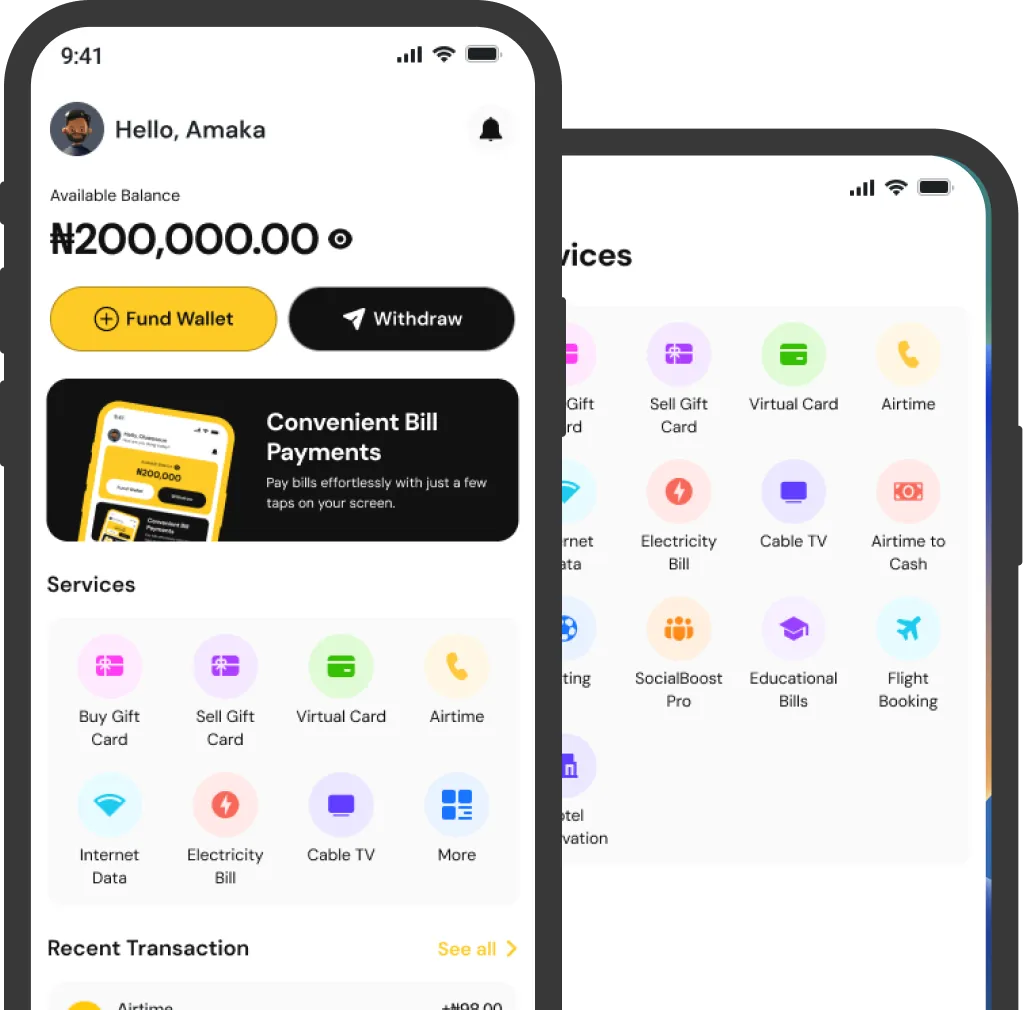
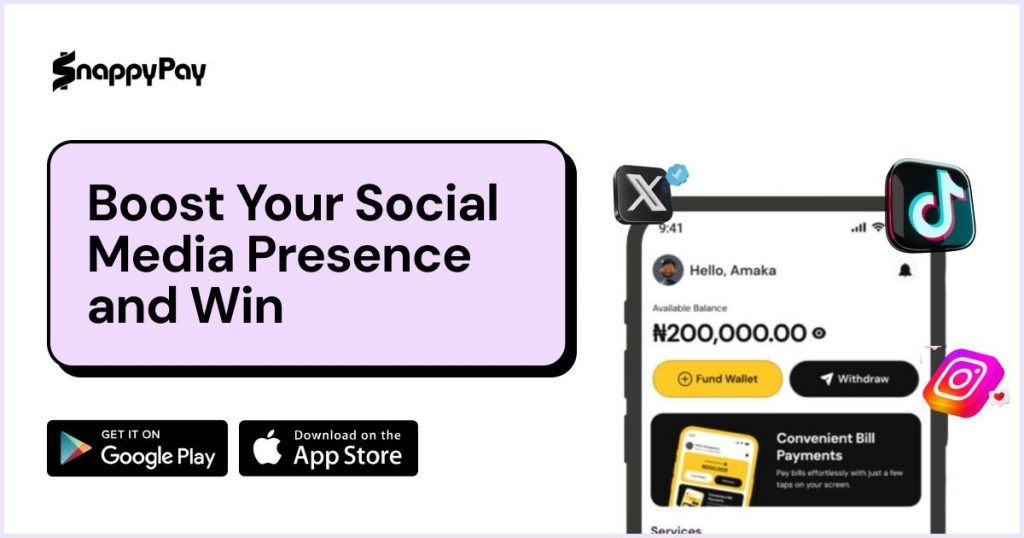
One such system is SnappyPay’s SocialBoost Pro. SocialBoost Pro is a tool designed to help you increase your social media visibility with real followers who will engage with your content and elevate your online presence.
FAQs
1. How do I monetize my Facebook page?
You must meet Facebook’s eligibility requirements, comply with monetization policies, and enable features such as in-stream ads or Stars through Meta Business Suite.
2. How can I earn money from Facebook?
You can earn through ads, Reels monetization, Stars, subscriptions, affiliate marketing, and brand partnerships.
3. How many followers do I need to monetize Facebook?
Requirements vary by monetization feature and region. Eligibility depends on follower count, engagement, and compliance with platform policies.
4. Does Facebook pay per view?
Facebook pays eligible creators through monetization programs, but earnings depend on engagement, ad impressions, and CPM rates.
5. Can I monetize a personal Facebook profile?
Yes, through Professional Mode, which allows certain monetization features.
6. How long does Facebook monetization approval take?
Approval times vary depending on application review and compliance checks.
7. What is the most profitable way to earn money on Facebook?
Brand sponsorships and product sales often generate higher revenue than ad-based monetization alone.
Final Takeaway
Monetizing on Facebook is achievable, but it requires a structured system. You must build your audience to meet the platform’s requirements. This can be achieved through the SocialBoost Pro. You must also comply with the platform’s policies and focus on content that engages your audience.
Are you ready to change your game and start earning on Facebook? Start using SnappyPay’s SocialBoost Pro (Only available on the web) today to get real followers and engagements on your Facebook.